
The Operational Cost of Patient Motion and Repeat MRI Scans
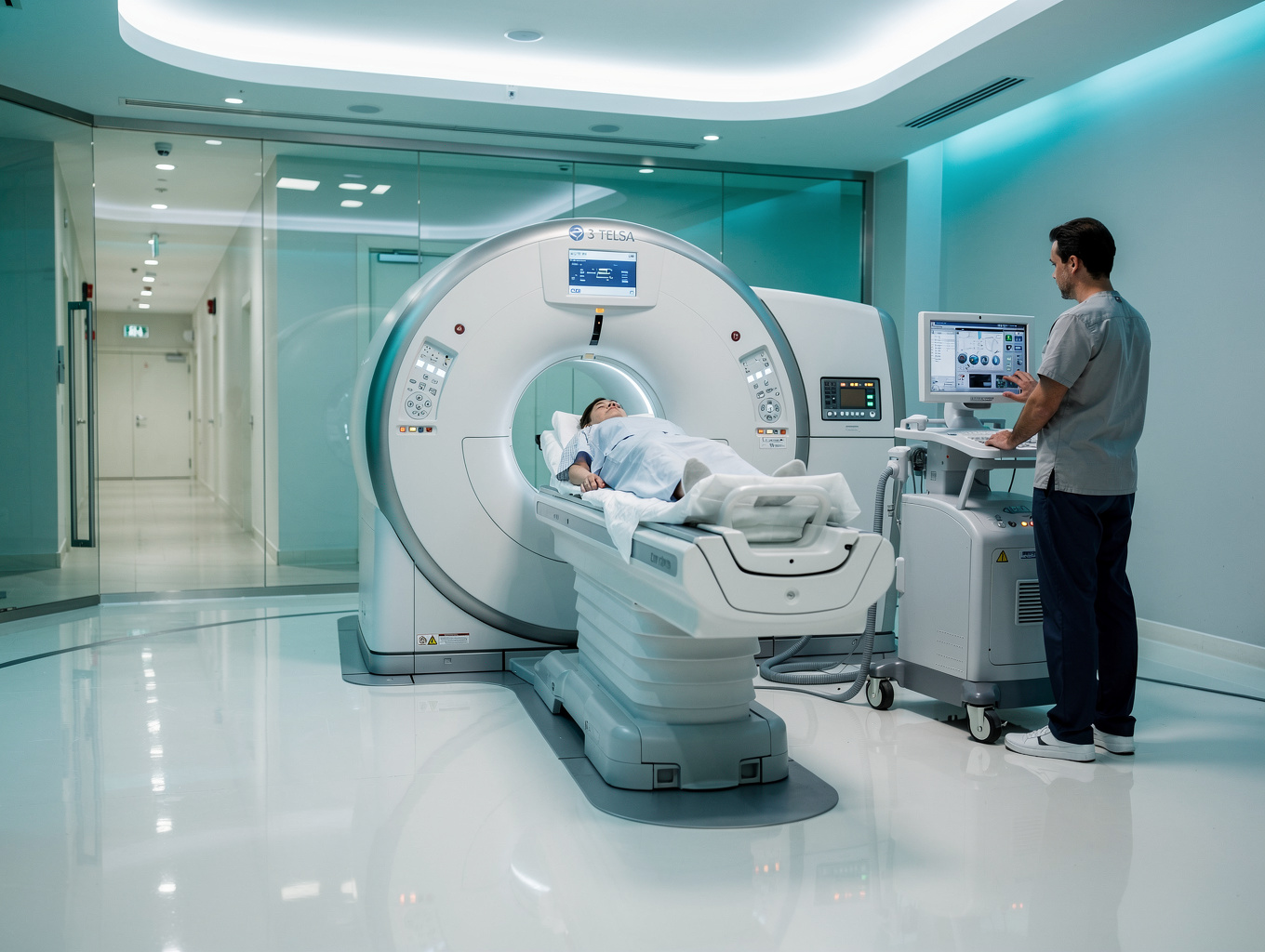
Patient motion during MRI examinations is not merely an image-quality issue—it represents an immediate operational bottleneck and a measurable financial burden on imaging suites, hospital networks, and research facilities.
Typical diagnostic slots affected by movement delays
Annual lost throughput per scanner from aborted sequences
Cervical and head stabilization target tolerance
The operational toll of motion artifacts in clinical MRI
Involuntary patient movement remains one of the primary drivers of non-diagnostic scan sequences, introducing compounding friction across imaging departments, staff workflows, and diagnostic timelines.
When involuntary patient movement corrupts an imaging series, technologists must abort and re-run sequences, consuming critical magnet bore time and diminishing daily scanning throughput.
Unplanned repeat acquisitions cascade through the clinic roster, compounding appointment delays, increasing technologist stress, and forcing subsequent patients to wait.
Motion degradation compromises spatial resolution and tissue contrast, frequently requiring radiologist re-reads, clinician consultations, or outright re-scheduling before care decisions can proceed.
Prolonged immobilization inside the scanner escalates anxiety and physical discomfort, while calling vulnerable patients back for second appointments erodes confidence and patient satisfaction.
Stabilization designed for clinical workflow
Explore how anatomically contoured positioning systems minimize involuntary movement without prolonging patient prep times.
Mitigate motion artifacts and protect scanner throughput
Unplanned motion during neuroimaging interrupts protocol schedules and compromises scan accuracy. The NoMoCo Pillow Support System provides a dedicated memory foam framework engineered to keep patients securely relaxed, eliminating avoidable rescans and securing diagnostic clarity.
Reduced repeat scans and table delays
Motion artifacts require costly rescans, creating scheduling bottlenecks and extending scan sequence times in busy MRI and CT suites.
Patient comfort drives compliance
High-density memory foam distributes pressure evenly, preventing involuntary movement caused by discomfort or cervical fatigue.
Repeatable positioning accuracy
Standardized stabilization allows technologists to achieve consistent head and neck alignment across longitudinal studies.
Equip your imaging suite with reliable patient support
Explore complete product specifications or submit your institutional order request directly to our team.

Advanced pillow support systems designed for precision imaging and patient comfort in clinical environments.
Navigation
© NoMoCo Pillow, Inc. Patent No.: US 7,450,985 B2